A Designer's Take on Fight Cancer in All Colors
In the world of embroidery, a design must do more than look pretty on a screen. It has to translate into stitches with personality, purpose, and practical appeal. Let’s walk through Fight Cancer in All Colors from that exact perspective—as a designer eyeing it for real projects, from client gifts to shop merchandise.
The Immediate Mood and Message
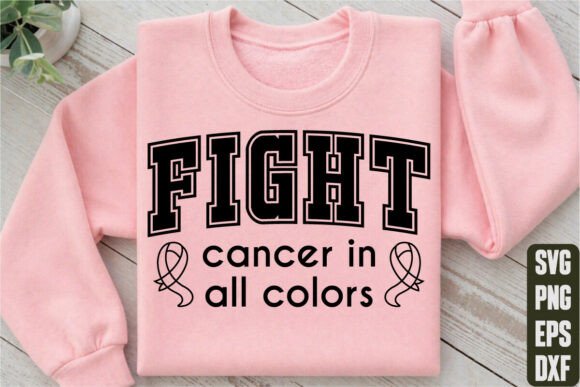
First impressions matter, especially when a design carries a meaningful message. Fight Cancer in All Colors presents itself not as a stark command but as an elegant, inclusive statement. The use of “in All Colors” softens the rallying cry, suggesting solidarity and hope. Visually, from the description’s hint of an “Elegant Inspirational Quote,” I anticipate a layout that balances text with perhaps symbolic elements. This isn’t a loud, aggressive graphic; it feels like a design meant to offer comfort, support, and a shared identity. The mood is uplifting yet dignified—perfect for projects where empathy is the core product.
Where This Design Naturally Belongs
While categorized as a T-Shirt Design and Graphics, its application is far broader. The thematic weight makes it a natural candidate for commemorative or supportive items. Imagine a custom embroidered tote bag for a friend heading into treatment, or a soft, embroidered patch sewn onto a comfort blanket. For small businesses, this could become a key product line: embroidered custom apparel like sweatshirts for community fundraisers, or delicate stitches on baby items for families touched by the cause. As a personalized gift, it transcends ordinary merchandise, carrying emotional value that enhances any finished product.
A Real-Life Scenario: The Boutique Tote Bag
Picture this: you’re preparing a small batch of embroidered tote bags for a local boutique that supports a cancer care center. You hoop a natural canvas bag, select a thread palette that feels hopeful—soft blues, gentle greens, a warm coral. As the machine stitches out Fight Cancer in All Colors, you watch the letters form. The elegance of the quote means stitch clarity is paramount; every satin stitch needs to be clean to maintain that inspirational tone. The finished bag feels substantial, not just in fabric but in meaning. A customer isn’t just buying a bag; they’re acquiring a token of support, and your embroidery is the bridge between that intent and the tangible item.
Performance Across Real Projects
This design’s versatility is its strength, but that requires thoughtful execution.
- Custom Apparel & Soft Goods: On a sweatshirt, the design would anchor a cozy, wearable statement. On a pillow cover or kitchen towel, it becomes a subtle, daily reminder. The key is scaling. For a cap’s curved surface, you’d need to ensure the layout adapts without losing the graceful flow of the lettering.
- Commercial & Handmade Contexts: For Etsy sellers and craft fair products, this embroidery file offers a product that connects emotionally. It can elevate a simple tea towel into a thoughtful holiday gift, or turn a standard apron into a product for a supportive workplace. In digital product previews for other designers, it showcases a design with clear application, which aids buyer engagement.
- Baby and Nursery Decor: Here, sensitivity is key. Embroidered on a soft blanket or a little shirt, the design’s hopeful phrasing makes it appropriate, but stitch density must be light for comfort on delicate fabrics.
Careful Considerations for Stitching Success
No design is universally perfect; understanding its limits ensures professional results.
- Small Details and Fabrics: If the design includes tiny lettering or intricate decorative accents, test it on scrap fabric first. Stitch density on thin or stretchy fabric can cause puckering; a proper stabilizer is non-negotiable.
- Color and Contrast: The phrase “All Colors” invites creative thread choices, but on dark fabric backgrounds, you must ensure light threads have enough pop. Always check thread color contrast in a black and white mockup to judge value contrast, not just hue.
- Scale and Placement: On small hoop sizes, the design’s elegance might compress into a dense area. Inspect small details before committing to a baby embroidery project or a detailed embroidered patch. On textured fabrics like a woven towel, a simpler fill stitch might fare better than a complex satin stitch.
- Wear and Care: For items needing frequent washing, like t-shirts or kitchen towels, robust stitching is needed. Review the design’s potential weak points—like delicate corners—to ensure longevity.
How It Elevates Your Craft and Business
Using Fight Cancer in All Colors isn’t just about applying a graphic; it’s about enhancing your work’s impact. For craft business owners, it adds a product line with inherent brand consistency if your shop focuses on meaningful goods. The handmade presentation gains depth because the design’s message resonates, building customer trust. As a digital embroidery file, it’s a design asset that can be adapted across mediums, from printable mockups to physical stitch-outs, increasing its professionalism and perceived value.
Practical Notes from the Hoop
Before you load this design and start stitching, here’s my grounded advice.
- Always, always test the design on scrap fabric identical to your final project fabric. This reveals how fabric texture interacts with the stitches.
- Compare light and dark fabric backgrounds virtually or with small samples. The same thread colors can behave differently.
- Since exact details like hoop size or specific machine embroidery design formats aren’t provided here, you must check these with the source before use. Confirm the file types your machine requires.
- Crucially, confirm licensing before selling finished items or digital products. Know if it’s cleared for commercial embroidery projects or restricted to personal use. This protects your small shop product integrity.
- When stitching, pay close attention to any fill stitch or running stitch areas. Dense stitch areas on lightweight apparel can be problematic; adjust your stabilizer strategy accordingly.
The Final Stitch: A Design with Heart and Purpose
Fight Cancer in All Colors stands out as more than a graphic. It’s a design with emotional gravity and practical versatility. For the embroidery designer, it challenges you to stitch with precision to honor its elegant tone. For the small business owner, it offers a product that naturally engages buyers through shared humanity. And for the maker creating a personalized gift, it provides a beautiful, stitch-ready expression of support. In your hands, with careful testing and thoughtful application, this design can transform from a digital file into a truly meaningful embroidery project.