Evaluating the Eat Sleep Mom Repeat Embroidery Design
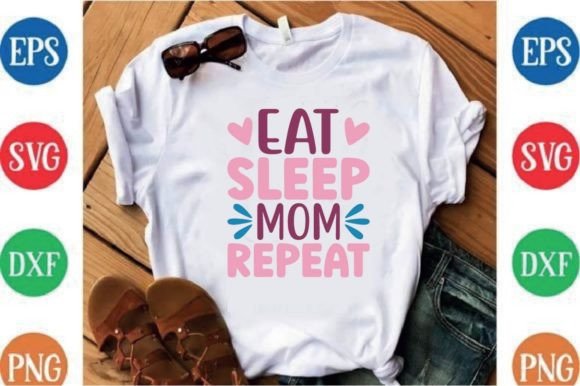
When you’re in the business of embroidery, whether for client projects or your own handmade shop, a design’s first impression is everything. The Eat Sleep Mom Repeat design hits you with a familiar, warm, and slightly tongue-in-cheek sentiment that resonates instantly. As a graphic for embroidery, its layout is straightforward—text-based and clean. This isn’t a complex pictorial scene; it’s a statement. The mood it creates is one of relatable humor and heartfelt dedication, perfect for the modern mom aesthetic that’s so popular in personalized gifts and casual apparel.
Where This Design Naturally Belongs
The visual personality of Eat Sleep Mom Repeat is unassuming and friendly. It doesn’t shout; it converses. This makes it a natural fit for projects where the message is the hero. I immediately picture it on a cozy, well-worn sweatshirt or a sturdy canvas tote bag—items a mom would use daily. It feels authentic on baby items, like a little blanket or a simple knit hat, making it a sweet gift from child to parent. In my own work, I’m considering it for a custom embroidered pillow cover for a nursery or a clean apron for a kitchen towel set. It’s that kind of versatile, everyday charm that sells well at craft fairs and in Etsy listings focused on motherhood.
Real-Life Embroidery Performance and Considerations
Let’s talk about stitching this design into reality. I’m evaluating it for a real project: a custom embroidered tote bag for a boutique client’s Mother’s Day promotion. The text-based nature of Eat Sleep Mom Repeat means success hinges on stitching clarity. On a medium-weight fabric like canvas, with proper stabilizer, the letters should come out crisp. The design’s simplicity is an advantage here—no overly dense fill stitch areas to worry about bogging down the machine or creating stiffness on flexible fabrics.
However, this is where practical judgment kicks in. On thinner or stretchy fabrics, like a soft t-shirt, you’ll need to be meticulous with your stabilizer choice to prevent puckering around the text. For dark fabric backgrounds, thread color contrast is critical; a bright white or a pastel thread could make this pop beautifully. The design’s strength is its readability, so you must preserve that. On curved surfaces like caps, the layout should adapt well, but always test on scrap fabric first to check for any distortion in small lettering.
The Careful Uses: When to Proceed with Caution
Not every project is a perfect match. For Eat Sleep Mom Repeat, I’d be cautious on very small hoop sizes. If the text gets miniaturized too much, the finer details might lose definition, affecting the handmade presentation. Textured fabrics, like thick sweaters, could swallow up the clean lines, so a bold satin stitch might be preferable to a delicate running stitch effect. Always inspect the small details in your embroidery file preview. Products destined for frequent washing, like kids’ clothes, need robust stitching; ensure the stitch density is sufficient for longevity to maintain customer trust.
Impact on Your Product and Business
From a commercial embroidery perspective, this design adds value through its universal appeal. Stitched cleanly onto a sweatshirt or tote, it elevates a simple item into a thoughtful personalized gift. For an Etsy seller or small shop owner, it supports brand consistency if your niche is family-oriented or humorous heartfelt goods. Its giftability is high—it’s instantly recognizable and speaks directly to a specific experience, which boosts buyer engagement. A well-executed embroidery of this on a product photograph for a printable mockup looks professional and approachable.
It’s a solid digital embroidery file for expanding your library of design assets. For craft businesses, it can be a staple for holiday embroidery, particularly around Mother’s Day or as a wedding gift for a new mom. Its straightforward nature means it can be produced reliably, which is key when you’re managing multiple orders.
Practical Notes Before You Stitch
Before you load this file and start your machine, do your homework. The product details mention it includes EPS, SVG, PNG, and DXF files. This is excellent for versatility, allowing use in digital product previews or for different software needs. However, as a professional, you must confirm the specifics yourself. Check the actual hoop size compatibility in your software. Review the stitch density in the file if possible; a very dense design might require adjustment for certain fabrics.
Always test on scrap fabric first. Use both light and dark fabric backgrounds to judge thread choices. Verify that the design works cleanly for both personal and commercial projects by confirming the licensing terms—this information wasn’t explicitly provided, so that’s a step you cannot skip before selling finished items or digital products. Does the embroidery file translate well into an applique design if you want a different texture? Experiment. For projects like an embroidered patch, the clean lines should translate well, but test it.
A Final Thought on Real Project Use
In the end, Eat Sleep Mom Repeat is a workhorse design. Its value lies in its emotional resonance and its technical simplicity, which, for an embroidery designer, means fewer production headaches and a reliable, charming finished product. It won’t be the most intricate piece in your portfolio, but it might be one of the most requested. Stitch it with care on the right substrate, and it will look handmade in the best sense—full of character and crafted with intent. That’s what turns a graphic into a cherished piece of custom apparel and a digital file into a worthwhile asset for your craft business.